How SASSA Educates Citizens About Grant Rights and Responsibilities?
The South African Social Security Agency (SASSA) helps ensure that citizens are informed about their rights and responsibilities regarding social grants. By empowering beneficiaries with knowledge, SASSA enhances transparency and promotes the effective use of grants to improve livelihoods.
Through community workshops, informational campaigns, and digital platforms, SASSA provides guidance on eligibility criteria, application processes, and the responsible use of grant funds.
This education helps beneficiaries understand their entitlements and the accountability involved, fostering trust and reducing misuse. Ultimately, these efforts contribute to the social and economic stability of vulnerable communities.
Why Education About Grant Rights and Responsibilities Is Important
Many South Africans rely on social grants to support themselves and their families. Without proper knowledge, individuals may not fully benefit from the support available. Misunderstanding the application process, failing to meet eligibility criteria, or misusing grant funds can lead to delays, cancellations, or legal consequences. Educating citizens about their rights and responsibilities helps reduce errors, fraud, and misuse.
When people are aware of their rights, they are better able to access the benefits they qualify for. At the same time, understanding responsibilities ensures that grants are used appropriately, maximising the impact of social assistance programmes.
SASSA’s Efforts to Educate the Public
SASSA uses various methods to educate citizens about their rights and responsibilities regarding social grants. These include community outreach, online resources, workshops, and collaboration with local organisations.
Community Outreach and Awareness Campaigns
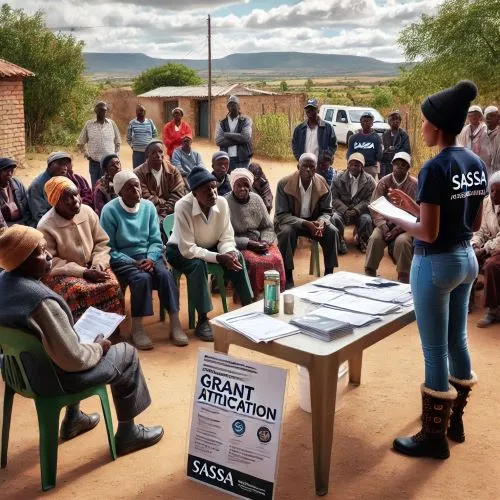
One of the most effective ways SASSA educates citizens is through community outreach. Officials often visit rural areas and townships where access to digital resources may be limited. During these visits, representatives explain available grants, eligibility criteria, and the application process.
SASSA also runs awareness campaigns through media platforms such as radio, television, and newspapers. These campaigns highlight important topics, including how to apply, when to renew applications, and how to avoid common mistakes.
Workshops and Training Programmes
SASSA organises workshops and training sessions where beneficiaries can learn more about their rights and responsibilities. These sessions often focus on specific groups, such as older persons, people with disabilities, and caregivers.
In addition, SASSA offers financial literacy workshops aimed at helping beneficiaries budget their grant funds, save where possible, and avoid financial risks. These skills support long-term financial stability.
Using Digital Platforms for Education
Digital platforms play an important role in public education. SASSA provides detailed grant information on its website, where citizens can check their grant status, access documents, and find answers to frequently asked questions.
SASSA also uses social media platforms such as Facebook, Twitter, and Instagram to share updates on grant availability, policy changes, and important deadlines. These channels offer a convenient way for citizens to stay informed.
Partnerships with Local Organisations
To extend its reach, SASSA works with local community organisations and non-governmental organisations (NGOs). These partners help distribute educational materials, host events, and provide direct assistance within communities.
These partnerships are particularly valuable for reaching vulnerable groups who may face barriers accessing traditional resources, helping ensure that grant education is inclusive.
Key Topics Covered in SASSA’s Educational Programmes
SASSA’s educational programmes cover key areas to help citizens understand the social grant system.
Eligibility Criteria
SASSA explains who qualifies for different grants, including the Older Person’s Grant, Disability Grant, and Child Support Grant. Information includes age requirements, income limits, and household circumstances.
Application Process
Applicants are guided on how to complete application forms, where to submit them, and which documents are required. SASSA also explains common application errors and how to avoid them.
Information on alternative application methods, such as online and mobile applications, is also provided to improve accessibility.
Grant Renewal and Changes in Circumstances
SASSA educates beneficiaries about renewal processes and the importance of reporting changes such as income, household composition, or address updates to avoid payment disruptions.
Responsible Use of Grant Funds
Beneficiaries are encouraged to use grant funds for essential needs such as food, healthcare, and education. Guidance on budgeting and saving helps ensure grants fulfil their intended purpose.
Conclusion
SASSA’s efforts to educate citizens about their rights and responsibilities play an important role in the effective distribution of social grants. Through community outreach, digital platforms, and partnerships, citizens gain access to reliable information.
Informed beneficiaries are better equipped to manage their grants responsibly, supporting improved well-being and quality of life.